Modernism · French
Auguste Rodin
1840–1917
A radical modeler of bodies and surfaces whose fragments, repetitions, and visible process remade modern sculpture.
At a glance
- Life
- 1840–1917
- Origin
- French
- Practice
- Bronze, plaster, and marble sculpture
Biography
Auguste Rodin transformed the conventions of nineteenth-century sculpture without abandoning the human figure. He worked through repeated studies in clay and plaster, enlarging, recombining, and casting forms in ways that made process visible in the finished work.
His surfaces catch light unevenly and his bodies often resist stable poses. Rather than illustrating a single heroic action, Rodin concentrated emotion into weight, gesture, incompletion, and the charged space between figures.
Research links
In the collection
Works to explore

Modern
Art Institute of Chicago
The Walking Man
Auguste Rodin · Modeled 1877–1900, cast before 1917
Modern
Cleveland Museum of Art
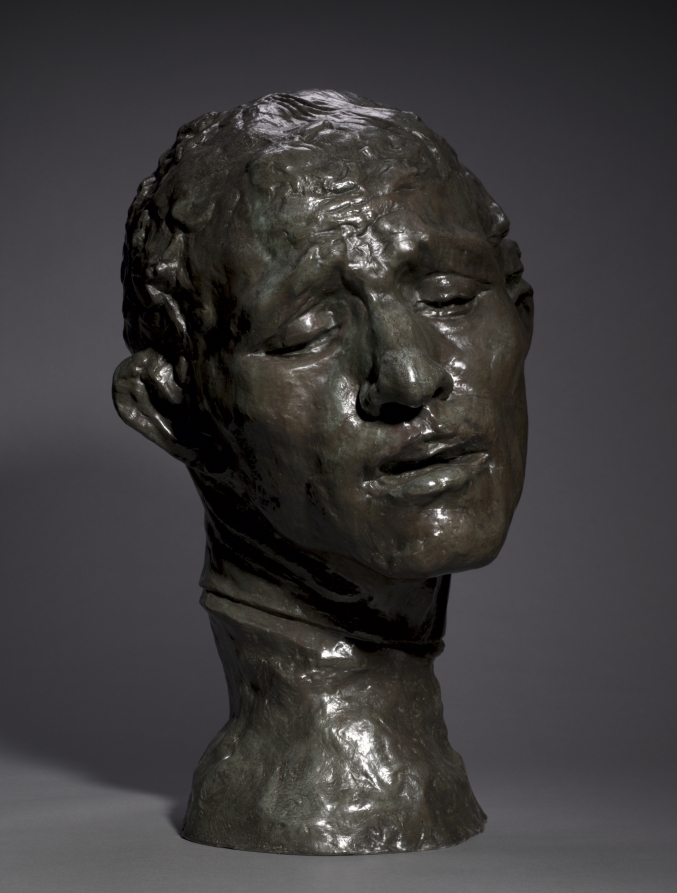
Heroic Head of Pierre de Wissant, One of the Burghers of Calais
Auguste Rodin · 1886

Modern
Art Institute of Chicago
A Burgher of Calais (Jean d'Aire)
Auguste Rodin · Modeled 1889
Modern
Cleveland Museum of Art
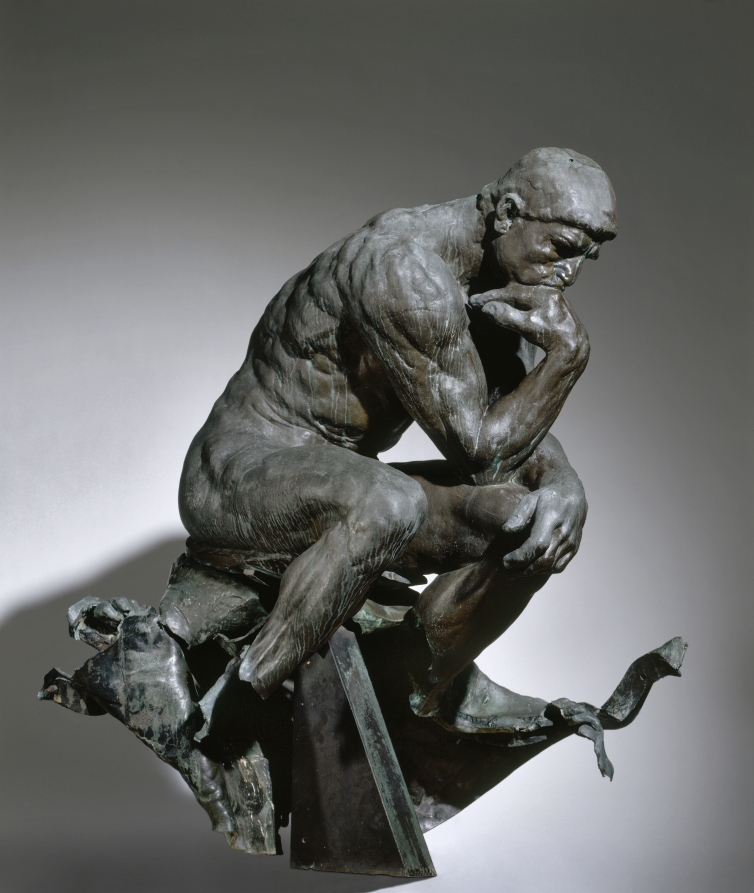
The Thinker
Auguste Rodin · 1880–81
Modern
Cleveland Museum of Art
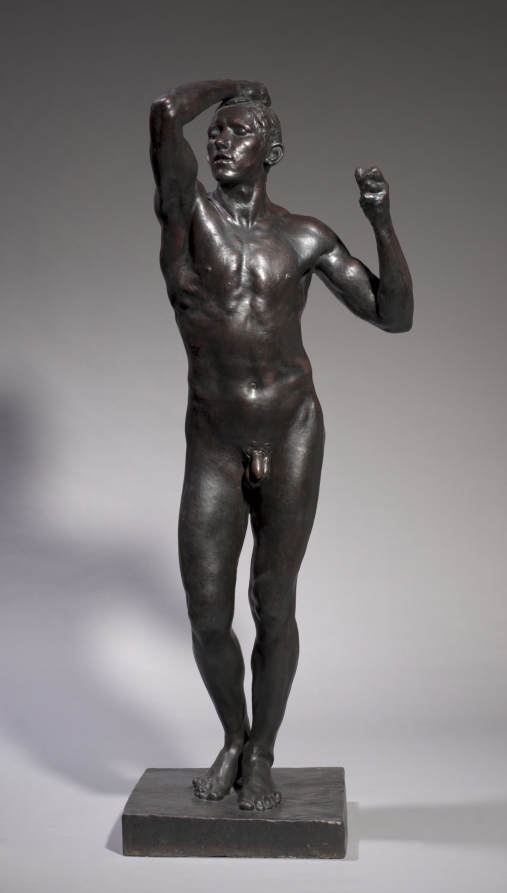
The Age of Bronze
Auguste Rodin · 1875–76
Modernism
The Metropolitan Museum of Art
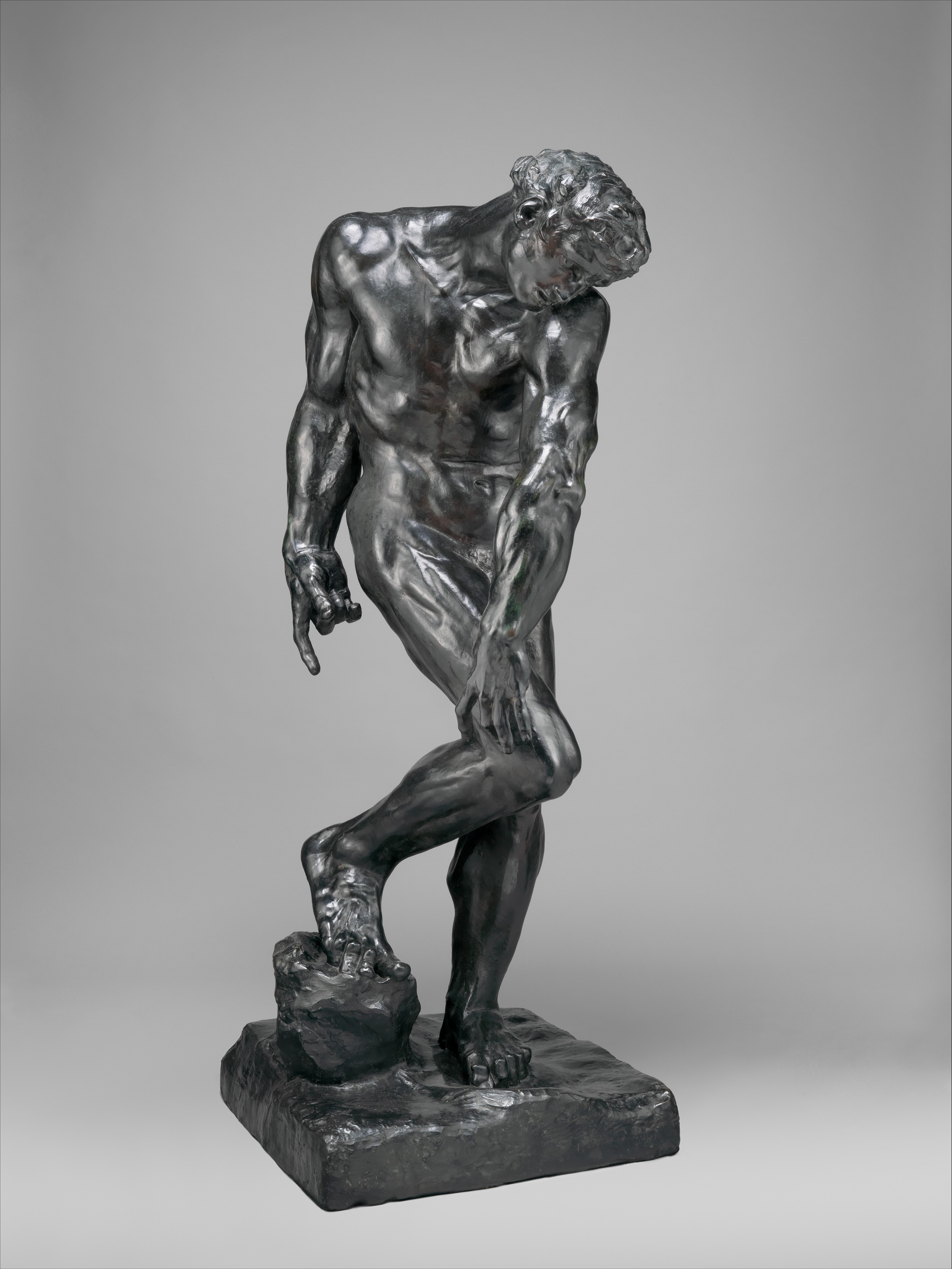
Adam
Auguste Rodin · modeled 1880 or 1881; cast 1910
Modernism
The Metropolitan Museum of Art
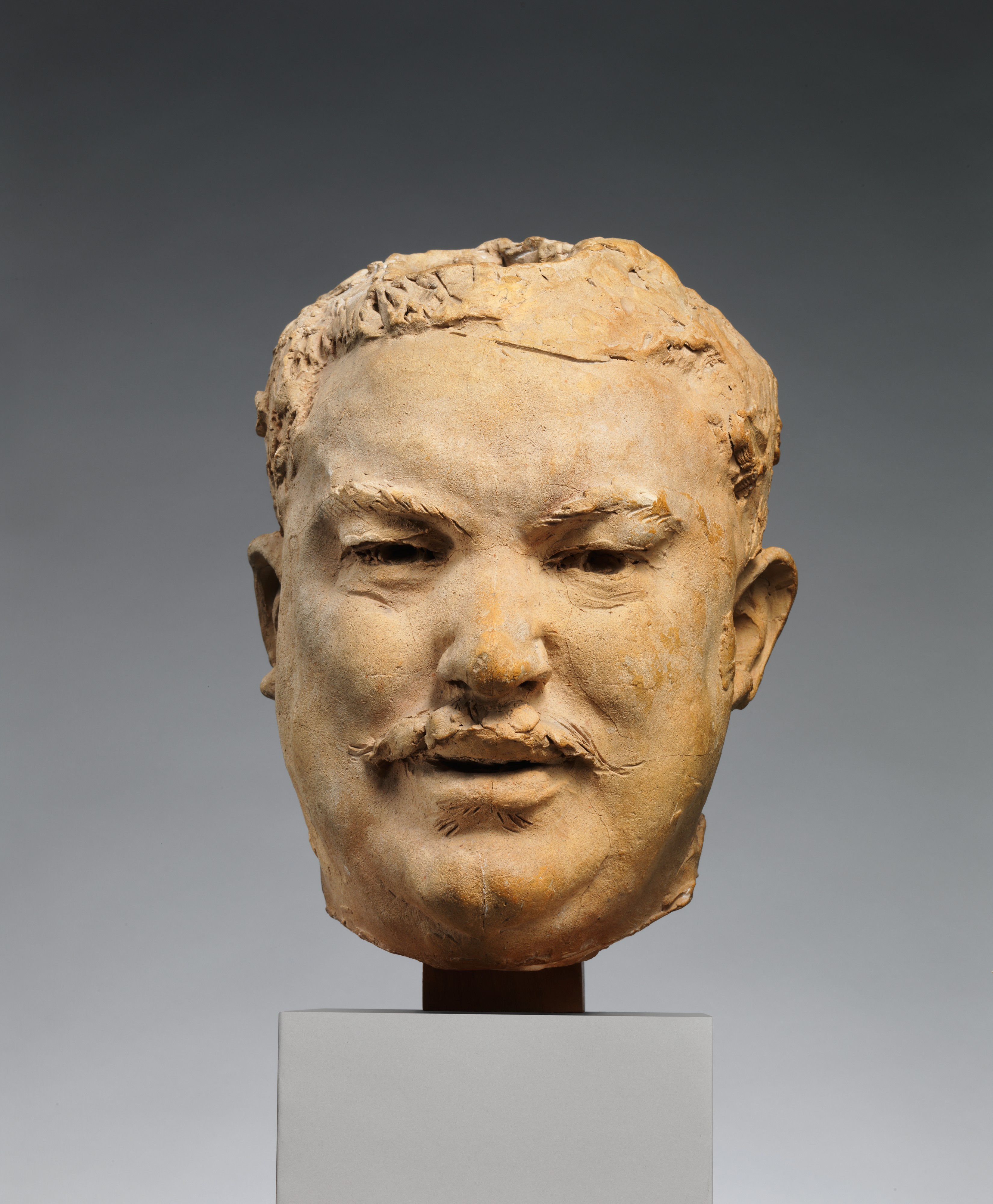
Honoré de Balzac
Auguste Rodin · 1891
Modernism
The Metropolitan Museum of Art
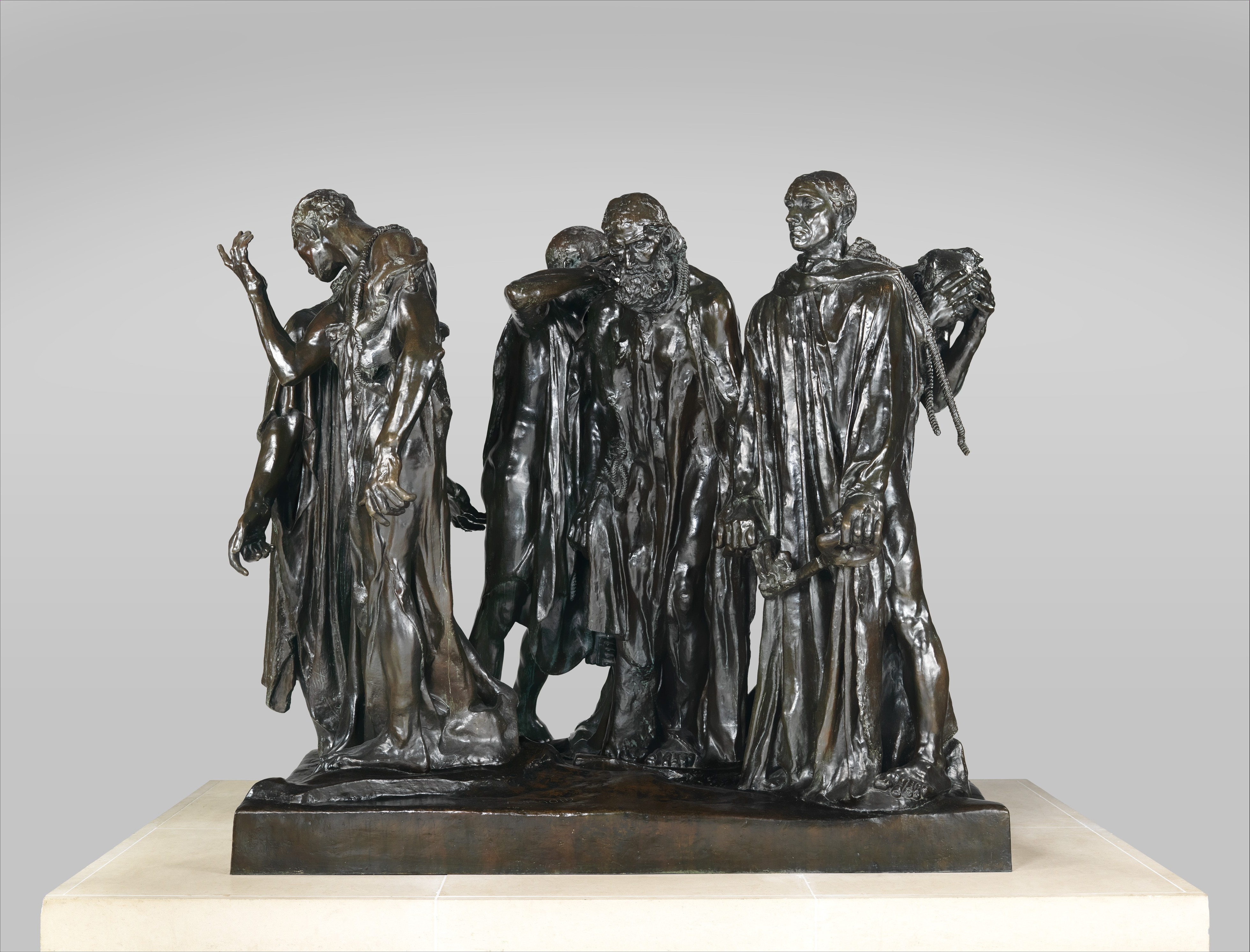
The Burghers of Calais
Auguste Rodin · modeled 1884–95; cast 1985